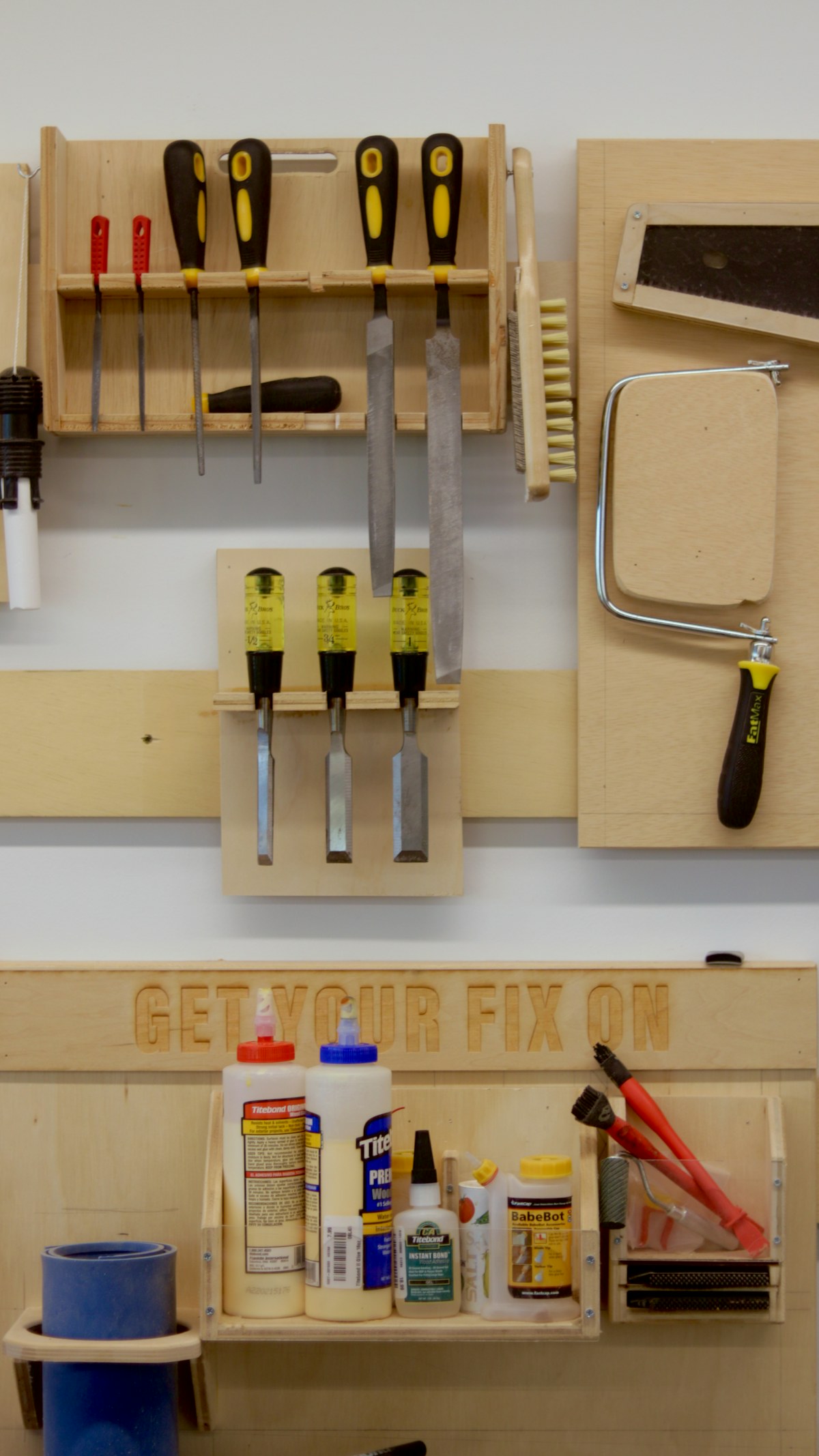

A useful home tool kit is usually smaller than the largest boxed set in the shop. It contains tools you understand, can store safely, and need for ordinary tasks. Buying dozens of unfamiliar pieces does not make repairs easier; it can make the correct tool harder to identify. Start from the jobs you already do, such as assembling a small piece of furniture according to its instructions, measuring a cupboard, or tightening an accessible handle. Keep clear boundaries. Electrical systems, gas appliances, structural work, and other specialist tasks are not made suitable for DIY by the presence of a tool kit. A compact collection is valuable because it is easy to inspect and use responsibly, not because it promises that every household problem can be solved at home.
List the jobs the kit will support
Look back over the last few months and note the small tasks for which you borrowed or searched for a tool. Distinguish routine assembly and adjustment from problems that needed professional help. The first group provides your starting list. The second group should remain a reminder of the kit's limits. Include the people who will use the tools and any comfort requirements. A handle that suits one person may be awkward for another. Avoid adding a specialized tool simply because it appears in a standard set. You can buy or borrow one later for a defined task after understanding how to use it. This approach keeps storage manageable and leaves more of the budget for a few well-made basics rather than a large number of poorly understood accessories.
Make measuring tools easy to read
A tape measure, a simple ruler, and a pencil can support many planning tasks before anything is altered. Choose markings you can read clearly and a tape length appropriate to the spaces you measure. Learn how the tape's end and lock are intended to work, following its instructions. Let the blade retract under control rather than snapping it back. Keep fingers clear of sharp edges and inspect damaged tapes before use. A small notebook can be as useful as another tool because it preserves dimensions with their units and labels. Write whether a number describes an inside opening, an outside width, or a proposed clearance. Accurate notes reduce repeat measurements and purchasing mistakes. A measuring tool earns its place by helping you make better decisions before a project begins, not only during the work itself.
Match screwdrivers to the fastener
Screw heads have different shapes and sizes, and a poor fit can damage both the fastener and the tool. Choose a small selection that matches the furniture and products you actually maintain. Follow assembly instructions and avoid forcing an unfamiliar screw. Inspect tips for wear, and stop if a fastener is damaged or resistance suggests something is wrong. A screwdriver is not a pry bar, chisel, or substitute for an electrical test instrument. Do not use it on electrical equipment or live systems. A bit set can be convenient if its pieces are labelled and held securely, but a large collection is not automatically more useful. Keep the commonly used sizes visible. Good tool selection makes a modest task more controlled; it does not remove the need to understand what is being adjusted and whether the task is appropriate.
Choose grips for comfort and control
When considering pliers or similar hand tools, think about the tasks they are designed for and how they fit your hand. Read the manufacturer's intended uses and limits. Avoid improvising on plumbing, electrical, or pressure systems. A comfortable grip helps control, but it does not justify extra force when a component will not move. Stop and assess the situation instead of extending handles or using a tool as a lever beyond its design. Inspect moving parts for damage and keep fingers clear of pinch points. If you cannot confidently identify the correct tool or method for a task, get advice before proceeding. The most useful kit supports familiar, low-risk work and makes it easy to put the tool down when a problem falls outside that scope.
Include protection and setup materials
The work area deserves as much thought as the tools. A suitable protective sheet can prevent damage to a table during permitted assembly tasks. Adequate light, a stable surface, and enough space to lay out parts help you follow instructions. Keep children and pets away from tools, small fasteners, and packaging. Use any personal protection specified for the task and equipment. Do not treat generic gloves or glasses as permission to attempt a hazardous process. Keep instructions with products or save a reliable copy where you can retrieve it. A small container for loose screws can prevent parts from rolling onto the floor. These ordinary setup habits often improve a project more than another tool because they make the work clearer, reduce interruptions, and help you stop safely if the instructions raise a question.
Store the kit so missing items are obvious
Choose a container that opens fully enough to see its contents. A small case, divided box, or simple tool roll can work depending on the selection. Keep sharp or pointed parts protected and follow storage guidance for each tool. Store the kit securely where children cannot access it. Avoid a large unsorted bucket that encourages damaged tools and loose fasteners to disappear together. Give frequently used tools fixed positions so you notice when something has not been returned. Label small bits or keep them in their original holder. The container should be comfortable to carry at its normal weight; a kit that is too heavy may be left in an inconvenient place. Organization here is not decorative. It supports inspection, accountability, and a reliable start to the next small task.
Keep supplies separate from mystery leftovers
Spare fasteners and fittings are useful only when you know what they belong to. Label them with the product or project name and keep instructions nearby. Do not assume an unidentified screw is suitable for a new fixing or load. Avoid keeping partly used adhesives and finishes indefinitely without checking labels, storage requirements, and expiry information. Retain original containers and never transfer chemicals into food or drink packaging. Dispose of unsuitable supplies through appropriate local routes. A small labelled selection is more useful than a drawer of mixed leftovers. Review the kit periodically and remove broken tools from use. If a tool needs maintenance beyond routine manufacturer guidance, have it assessed appropriately. The kit should contain dependable equipment, not a collection of objects retained because they might someday become useful.
Add tools only when a real task requires them
After several months, review what you used and what you repeatedly needed but did not have. A new tool should answer a clear question about a task you can perform safely and understand. Consider borrowing or renting appropriate equipment with proper guidance when ownership makes little sense. Do not let a new purchase expand the scope of work beyond your competence. Keep a short record of professional contacts for jobs outside the kit's role. That is part of a practical home maintenance system too. A modest, well-kept collection can make ordinary tasks less frustrating, while its clear limits protect you from treating every problem as a challenge to attempt. The best tool kit feels understandable each time you open it and returns neatly to storage when the small job is done.