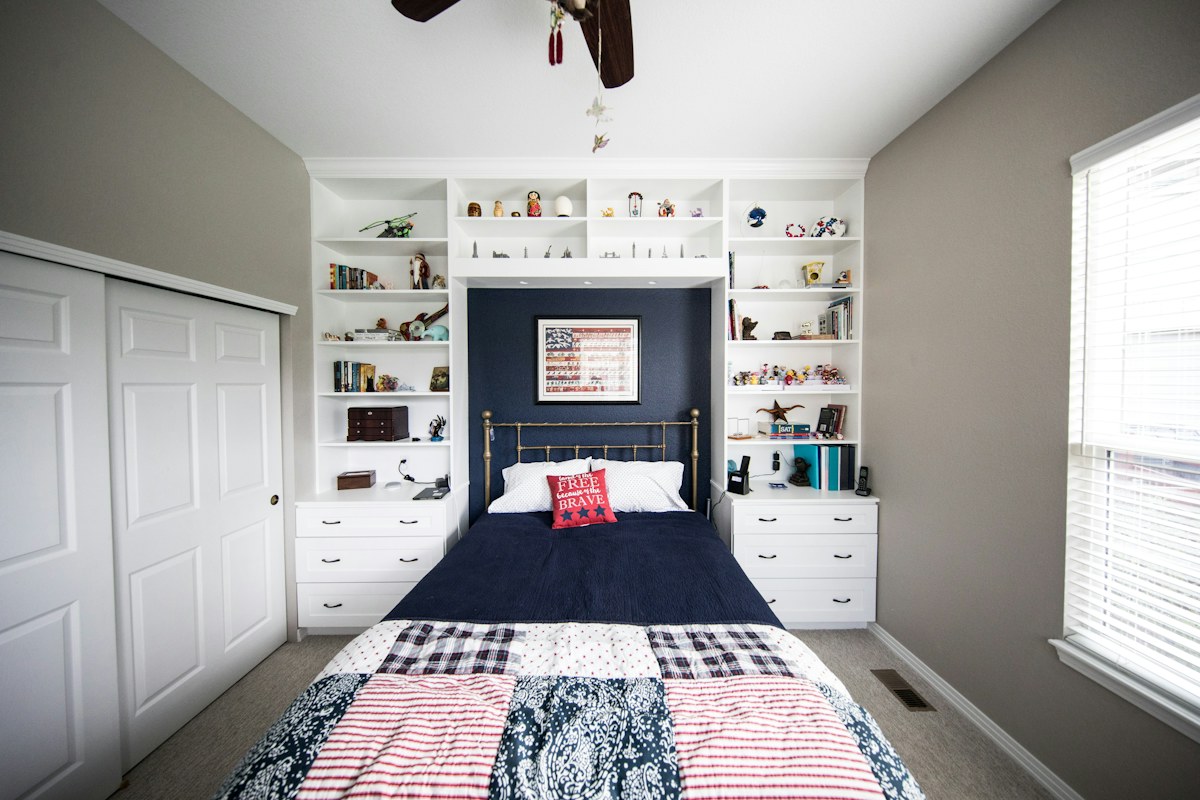

A bed can look inviting without a tower of cushions or several blankets that have to be removed every night. The best bedding arrangement is one you enjoy sleeping in and can care for without difficulty. That sounds obvious, yet display beds encourage decisions based on appearance alone: an extra heavy cover for its texture, pale linen that needs more attention than you can give it, or decorative pillows with nowhere to go. A refresh is a chance to simplify. Begin with the layers you actually use, check the fit, and think about washing and storage before choosing colors. You can build a comfortable, attractive bed from a small number of well considered pieces, often using much of what you already own.
Take inventory with the bed stripped
Remove every layer and inspect it in daylight. Separate the pieces you use from those that appear only when the bed is made for visitors. Look for worn elastic, damaged seams, persistent stains, and covers that never fit properly. Read the care labels before deciding what can be cleaned or repaired. Keep useful spare sets together so you know what is available. If a cupboard contains several unmatched pieces, test whether some can become a complete everyday set. There is no need for every sheet to be identical, provided the sizes and materials work for you. Set aside items that are no longer suitable for bedding and decide on an appropriate reuse or disposal route. The inventory prevents buying another version of something that was simply hidden at the back of a shelf.
Check measurements, not just size names
Bed size labels vary between markets and manufacturers. Measure the mattress width, length, and depth, including any topper that is normally used. A fitted sheet needs enough depth to stay in place without being stretched to its limit. Check duvet and cover dimensions as well; two products described with the same size word may differ. An oversized cover with an undersized insert can leave empty edges and make the bed awkward to arrange. If you are buying online, compare the actual measurements rather than relying on a photograph or a familiar name. Keep those figures in your phone for future purchases. Fit is one of the simplest ways to improve the look of a bed because properly sized pieces lie more naturally and require less daily pulling, tucking, and correction.
Choose fabric by experience and care
Cotton, linen, and blended fabrics can all have a place, but the label alone does not tell you how a sheet will feel. Weave, finish, fabric weight, and wear affect the experience. If possible, touch a sample and consider whether you prefer crispness, softness, or a more textured surface. Avoid assuming that a higher thread count automatically means greater comfort. Check laundering instructions and whether the item suits your washing and drying arrangements. A fabric that needs a method you rarely use may become an expensive spare. If someone has a known sensitivity, follow their usual professional advice and test cautiously rather than choosing by marketing claims. The most useful fabric is the one that feels pleasant to you, performs in your climate, and can be cared for consistently in your household.
Build for the room's real temperature
Think about how the room feels through the year and how the people using the bed differ. A thick decorative cover may look luxurious but be unnecessary in a warm room. A lighter main layer with an accessible extra blanket can offer more flexibility. In a shared bed, separate covers may suit different preferences better than a compromise that leaves both people uncomfortable. Do not buy every seasonal layer at once. Try the arrangement you already have and identify the specific gap, such as a lighter summer cover or a washable blanket for cooler evenings. Keep bedding clear of heaters and follow product safety instructions. Any advice about infant sleep requires a separate, age-appropriate approach; decorative adult bedding arrangements should never be copied into a baby's sleep space. Here the focus is an ordinary adult bedroom.
Limit decorative layers to what you enjoy
Lay out the pillows and cushions that serve a real purpose. Sleeping pillows come first; decorative pieces are optional. If you like a finished look, one additional cushion or a folded blanket may be enough. Decide where that item will go at night before buying it. A pile on the floor creates a new obstacle and can make the room feel untidy even when the bed itself is clear. Choose removable covers when practical and check that their care requirements fit your routine. The arrangement should be easy to repeat on an ordinary weekday. If making the bed feels like assembling a display, remove one layer and see whether you miss it. Decoration works better when it adds pleasure rather than a small daily obligation you quietly resent.
Use a narrow color palette with variation
A limited palette can make mixed bedding feel intentional. Start with a color already present in the room, perhaps in the curtains, a print, or the wood tones. Add a quieter base and one related accent. The colors do not need to be exact matches. A pale warm sheet, a deeper cover, and a softly patterned pillowcase can look richer than a completely coordinated set. Compare the pieces in the bedroom's own light, since a cool shop display can make colors look different. If you enjoy pattern, give it space rather than surrounding it with several competing prints. Texture can provide interest when the palette is simple. Before purchasing, fold existing blankets and pillowcases together on the bed; you may find a pleasing combination that was not obvious when everything was stored separately.
Make washing and storage part of the choice
Check whether a large cover fits the capacity of your washing machine and whether you can dry it thoroughly using the recommended method. Damp storage can create problems, so allow pieces to dry fully before folding them away. Follow care labels and avoid mixing laundry products indiscriminately. Keep a practical number of spare sets based on your washing schedule and household needs, rather than an arbitrary rule. Store the set together in an easy-to-reach place. A simple label helps when different beds use similar looking sizes. Keep frequently used pieces at a comfortable height and heavier bedding safely positioned. If the cupboard is crowded, review the unused items before adding another organizer. Bedding is easier to maintain when there is room to lift out one set without pulling down the rest of the stack.
Finish with an arrangement you can live with
Make the bed using the simplest version of your chosen layers and sleep with it for several nights. Notice practical details: a sheet that slips, a blanket that falls, or a cover that feels too heavy. Adjust those issues before buying decorative additions. Ask the other person using the bed for their view instead of judging the arrangement only from the doorway. Keep the useful pieces, return unsuitable purchases where permitted, and record the sizes and fabrics that worked. A successful refresh may look quieter than a shop display, but it should feel better at the moment it matters. When the bedding fits, suits the room, and moves easily through your laundry routine, a few attractive layers can do all the work the bedroom needs.