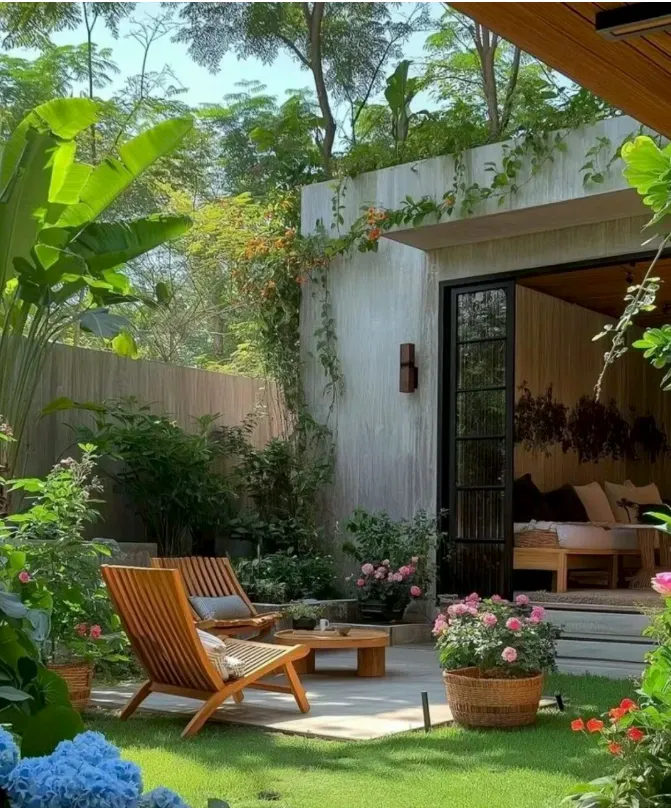
A small outdoor corner can offer a useful pause in the day, but only if sitting there is easy. An attractive chair at the far end of a cluttered path may remain unused. Cushions stored in three places make a short coffee break feel like preparation for an event. Before decorating, think about when you would actually go outside, what you would carry, and how the corner will work in your local weather. A single comfortable seat and a stable place for a cup can be enough. The aim is to make a modest area inviting through practical decisions, rather than filling it with accessories. Start with a temporary arrangement and learn what the position offers before committing to furniture or planting.
Choose a time as well as a place
Decide when you are most likely to use the corner: early morning, lunchtime, or the end of the afternoon. Visit the spot at those times over several days. Check sunlight, shade, wind, surrounding activity, and privacy. A place that is lovely at noon may be uncomfortable when you usually finish work. Consider how local seasonal conditions affect use without expecting one location to be perfect throughout the year. If you have a choice, test an existing suitable outdoor chair in two positions. Notice where you naturally want to stay. The exercise helps you distinguish an attractive view from a useful seat. A corner earns its place when it supports a real habit, such as reading a few pages or taking a quiet drink, rather than an imagined lifestyle that rarely fits the day.
Keep the route simple and safe
Check the path from the door to the proposed seat. It should be clear, stable, and suitable for the people using it. Avoid placing furniture where it narrows an exit or forces someone to step around pots while carrying a drink. Inspect the surface for obvious damage or slipping concerns and have significant problems assessed appropriately. Do not disguise unsafe paving with a decorative rug. On balconies or elevated areas, follow building rules and obtain professional advice about loading and suitability where needed. Keep furniture away from railings in ways that could create climbing hazards, particularly where children are present. A convenient route is part of the seating area, not a separate issue. If getting to the chair requires moving household storage first, the corner is unlikely to become an easy everyday destination.
Test the chair before judging its style
Outdoor furniture should suit the user's body and the intended activity. A low lounging chair may be pleasant for some people but difficult for others to get out of. A narrow upright seat may work for a short cup of tea and be uncomfortable for reading. If possible, sit in the furniture before buying and consider seat height, support, armrests, and stability. Choose products designed for outdoor use and follow their instructions and load limits. Avoid using indoor furniture outside unless the maker confirms suitability. Check how the chair behaves on the actual surface. A set that looks balanced in a catalog may wobble on uneven ground. Comfort and safe use are stronger reasons to choose a piece than whether it completes a coordinated outdoor collection.
Provide one dependable surface
A small table can make the corner much more useful if it is stable and within comfortable reach. Check its height from the chair and whether a cup sits securely. A decorative stool is not automatically a suitable table, especially if its top is narrow, curved, or easily tipped. Keep the route around the seat clear and avoid sharp corners in a confined passage. Choose materials and care requirements appropriate to the location. If space is limited, a modest table shared by two seats may be enough. Do not add several surfaces simply because a furniture set includes them. The useful question is what you need to put down while sitting there. A book, a cup, and perhaps a pair of glasses usually require less furniture than the outdoor display you see in a shop.
Plan the weather routine in advance
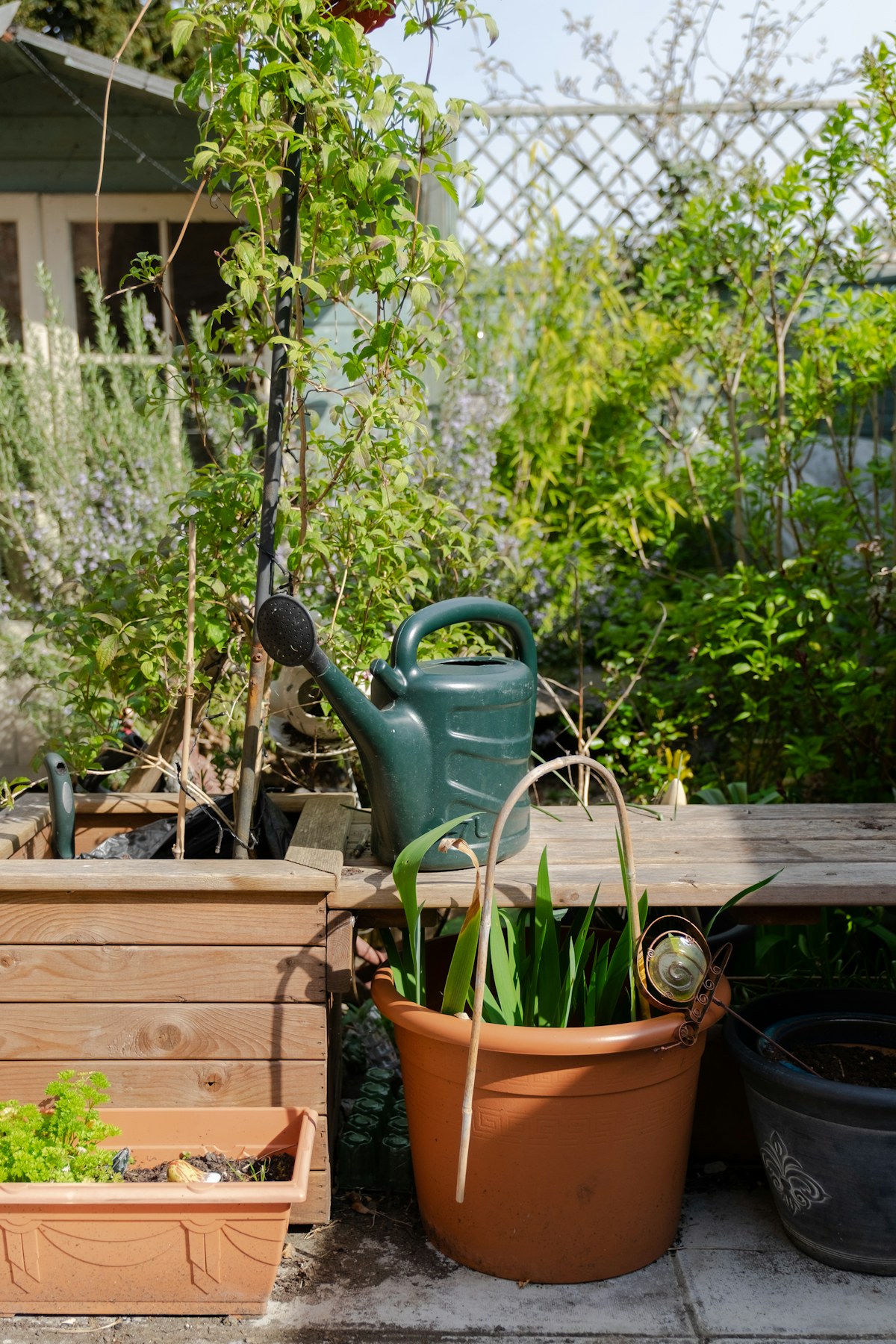
Read furniture and textile care guidance before purchase. Some pieces can remain outside under particular conditions; others need protection or indoor storage. Do not assume that the word outdoor means maintenance-free in every climate. Decide where cushions, covers, and lightweight accessories will go when not in use. Keep storage dry and appropriate to the material, and allow items to dry fully as instructed before putting them away. If the storage location is inconvenient, choose a simpler setup with fewer removable pieces. Secure or store items appropriately when adverse weather is expected, following product guidance. A comfortable corner should not create a repeated household scramble. The easier the weather routine, the more likely the seat is to be ready when you have only a few minutes to enjoy it.
Add planting without enclosing the seat
A few suitable plants can make the corner feel connected to the garden, but leave access for people and plant care. Consider mature size rather than filling the gaps around a small nursery plant. Avoid placing pots where they can be knocked by chair legs or where foliage will brush a hot drink. Choose plants suited to local conditions and check safety around children and pets with reliable sources. On a small patio, one well-positioned container may contribute more than a line of tiny pots around every edge. Keep drainage and maintenance access clear. You should be able to sit, stand, and move the chair as intended without rearranging the planting. The garden should enrich the experience of the seat rather than turning it into an island surrounded by obstacles.
Keep the first version deliberately simple
Use the corner with just the seat and essential table for a while. Notice what you actually miss. It might be shade, a place for a book, or a more comfortable armrest, rather than decorative lighting or additional ornaments. Any shade structure or fixed installation should be suitable for the site and installed according to appropriate guidance. Electrical additions outdoors require equipment and professional work suitable to the setting. Avoid improvised cables from indoors. If you want more evening use, first consider whether the location and existing safe lighting support it. Adding one useful element at a time helps you understand its value. A small corner can lose its appeal when every square foot becomes occupied by an accessory that needs cleaning, protection, or storage.
Let the habit decide the final arrangement
After several weeks, ask how often you used the seat and what made the difference. If it remained empty, move the temporary arrangement or reconsider the time you planned for it. There is no failure in discovering that another spot works better. Keep the version that fits your day and remains easy to maintain. Clean and inspect furniture according to its guidance, and remove damaged pieces from use until assessed. The corner does not need to look permanently staged. A chair ready for an ordinary pause is a better outcome than a complicated display that is rarely touched. When access, comfort, and weather care are resolved, a small outdoor area can become a dependable part of home life with remarkably little furniture.