A container garden is easy to begin enthusiastically and harder to keep manageable. A few attractive pots become a row of impulse purchases, each with different needs and no clear place to stand. Starting with three well-chosen containers creates a more useful learning period. You can observe the space, understand the routine, and decide what you enjoy growing before expanding. Three is not a horticultural rule; it is a practical limit for a first arrangement. The plants and container sizes should follow local conditions and suitable guidance. The aim is to create a small group you can reach, maintain, and appreciate, rather than filling every empty patch of paving on the first shopping trip. A modest beginning leaves room for informed choices later.
Observe the position before choosing plants
Spend several days looking at the proposed spot at different times. Note where direct sunlight falls, how shade changes, whether wind is noticeable, and how rain reaches the area. A position that looks bright through a window may receive less direct sun than expected. Record the observations simply so you can describe the site at a local nursery. Consider the seasons too; a nearby tree or building can alter conditions over the year. Choose plants suited to the position and local climate rather than trying to force a favorite plant into an unsuitable setting. Check mature dimensions and care information on reliable labels or with knowledgeable local staff. This first stage is mostly observation. It costs little and helps prevent a collection of plants that need constant rescue because their basic location is wrong.
Check the practical limits of the space
Keep the main walking route clear and allow doors to open fully. Containers should not obstruct drains, vents, or access needed for maintenance. On balconies, roof terraces, or other elevated areas, confirm building rules and structural loading with appropriate professionals before adding heavy pots or wet growing medium. Do not balance containers on railings or assume a decorative shelf can support them. Consider how you will reach the plants for care without awkward stretching. A large pot may be difficult to move once filled, so plan its position in advance and get suitable help with handling. The finished arrangement should be stable in its intended conditions. Gardening is more enjoyable when the pots fit safely into the space rather than making every ordinary passage through it more complicated.
Choose containers for the plants and the routine
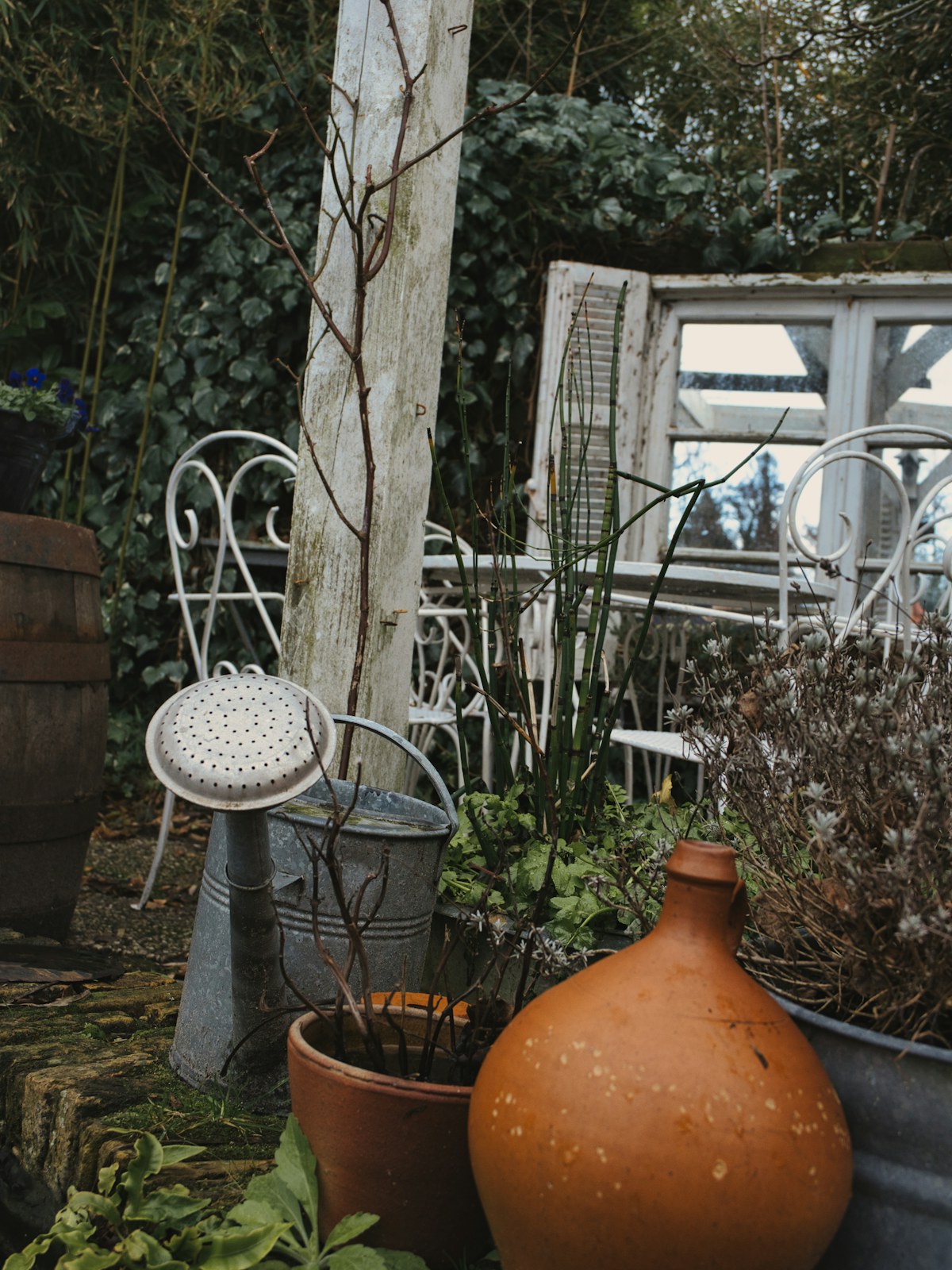
Look beyond color when comparing pots. Check dimensions, weight, stability, material, and drainage provisions suitable to the planting. The Royal Horticultural Society advises that ordinary container plantings need drainage holes. Match the container and growing medium to the plant rather than assuming one size suits everything. Read relevant plant guidance, especially for long-term specimens. Avoid using an unidentified salvaged container if its previous contents or material make suitability uncertain. A container should also be manageable for the person caring for it. If you cannot comfortably reach the planting surface or lift it when necessary, reconsider the design. A restrained group of reliable pots can look more settled than several decorative shapes that create difficult maintenance. The visual choice matters, but it should follow the practical one.
Give the group a simple visual relationship
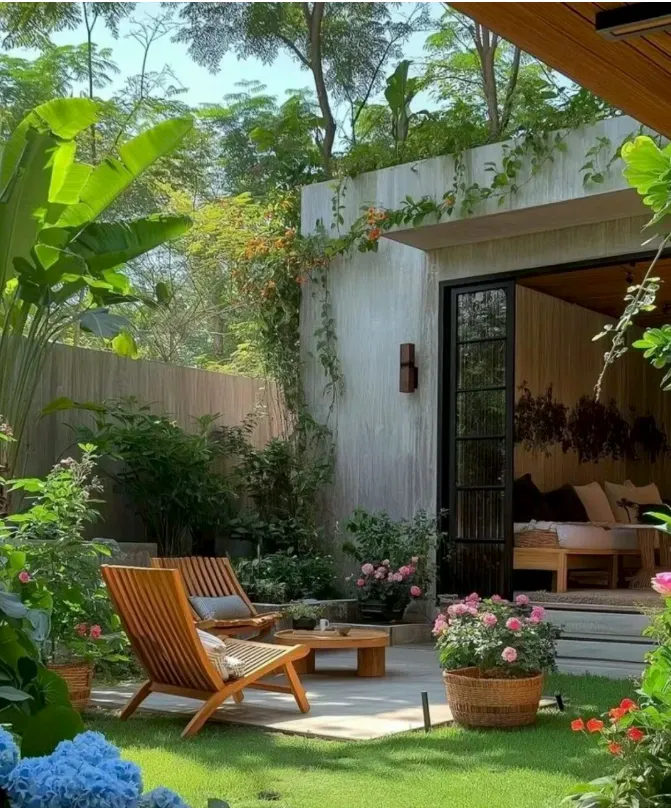
The three pots do not have to match exactly. They can share a material, a similar color family, or a simple shape while varying in size. Choose the relationship deliberately so the plants remain the main interest. Place the group where it can be seen from a useful viewpoint, such as a kitchen window or an outdoor seat, without crowding access. Try the empty pots in different arrangements before planting. Consider how the plants will develop rather than judging only their small nursery size. Leave enough room for the expected growth and for care. Avoid using a fixed decorative formula if it creates unstable heights or blocks light. The best grouping looks intentional while remaining easy to reach. A clear arrangement also makes it easier to notice when one plant needs attention.
Keep a record of what you planted
Save plant labels or photograph them, including names and care information. Note which plant went into which pot and the date. This modest record is useful when a label fades or when you want to ask a specific question later. Include the growing medium used and any product instructions you need to retain. Do not rely on remembering a nursery nickname if several plants look similar. Accurate identification matters for appropriate care and for checking suitability around children and pets. Seek reliable advice on plant safety rather than assuming an ornamental plant is harmless. A small garden is an opportunity to learn a few plants properly. Knowing their names and needs makes the experience more rewarding than repeatedly replacing anonymous plants without understanding what happened to them.
Make care easy to reach
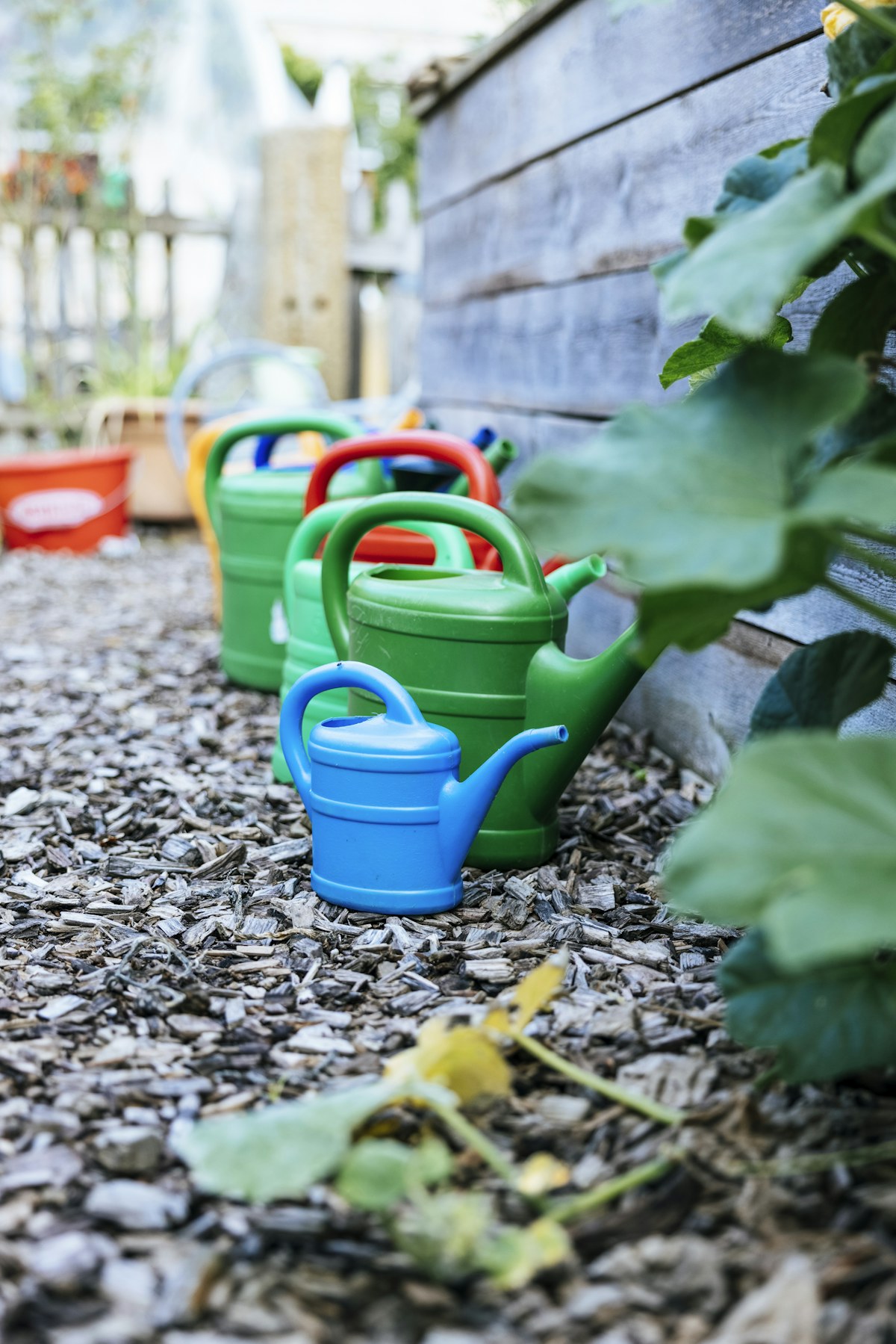
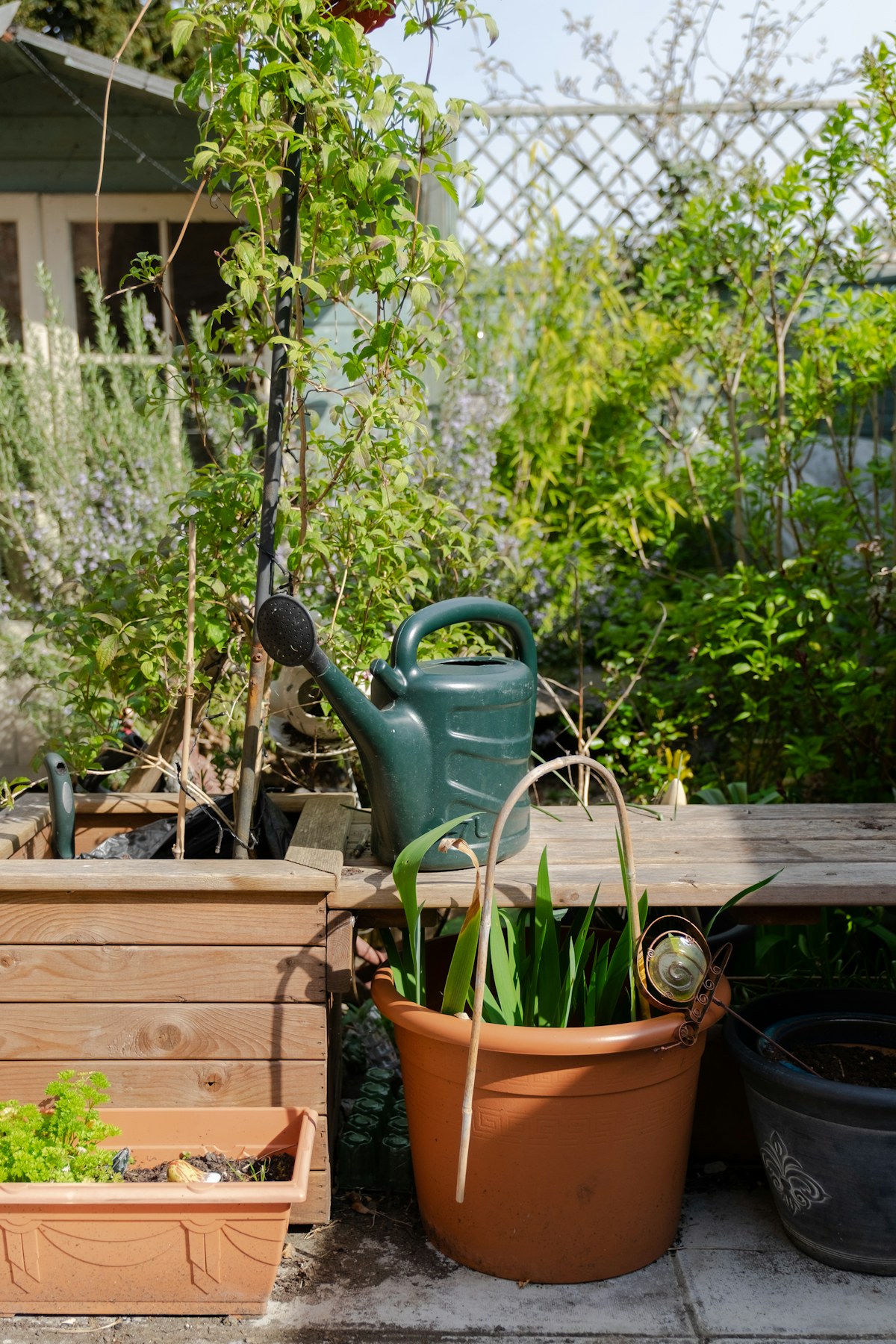
Before planting, decide where the watering can, hand tools, and suitable gloves will live. Keep tools safely stored and products in their original labelled containers, away from children and pets. Choose a watering can you can carry comfortably when filled to a manageable level. If reaching water requires moving furniture or searching for equipment, the routine becomes less likely to happen consistently. Keep the route to the pots clear. Avoid dragging hoses across busy paths or leaving equipment where someone may trip. Follow local water-use restrictions and appropriate guidance for your plants. A small collection should be simple to inspect as part of an ordinary day. The easier it is to reach the plants and the equipment, the more likely you are to notice changes before they become larger problems.
Observe before making repeated adjustments
New gardeners can be tempted to change several things whenever a leaf looks different. Instead, check plant-specific guidance and observe the pattern. Record changes in position, watering, or other care so you can discuss them accurately with a knowledgeable source. Avoid adding feeds, treatments, or homemade mixtures without understanding the need and following appropriate instructions. A plant's appearance alone may not identify a problem reliably. If you are unsure, take clear photographs and seek local horticultural advice. Keep the focus on learning the conditions and routine of your small group. A quiet week in which you simply observe and maintain the pots can be more useful than a series of improvised interventions. The limited scale makes it possible to pay attention without turning the garden into a demanding daily project.
Expand only after the first group feels manageable
Use the three containers through a meaningful period before adding more. Notice which plants you enjoy caring for, which positions work, and how much time the routine takes during busy weeks. Make your next purchase answer a specific gap rather than a momentary attraction. You may want a different season of interest, a plant better suited to a particular corner, or another pot with a material you found practical. Keep the walking space and maintenance access that made the first group successful. A container garden does not become better simply by becoming larger. When the first few pots are well chosen and understood, they can make a small space feel cared for. Expansion then becomes a deliberate pleasure rather than a growing list of plants you feel obliged to rescue.
Further reading: Royal Horticultural Society: Growing plants in containers.