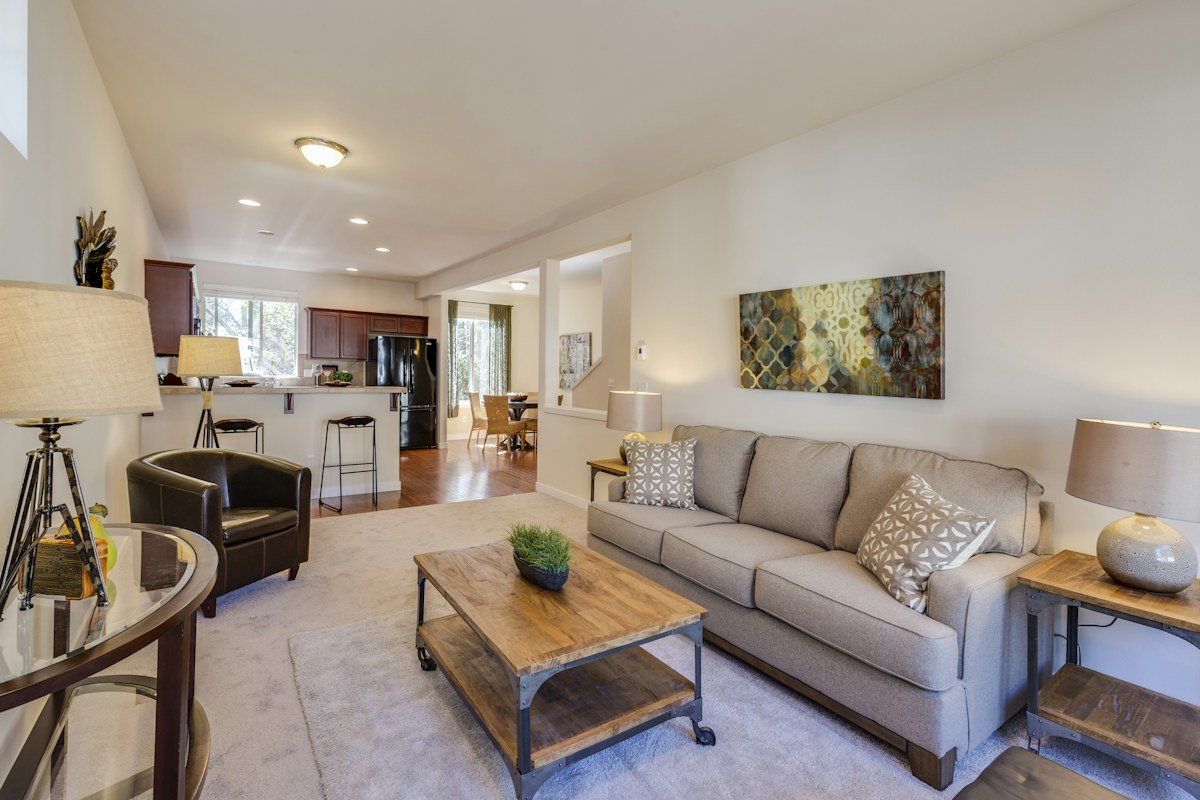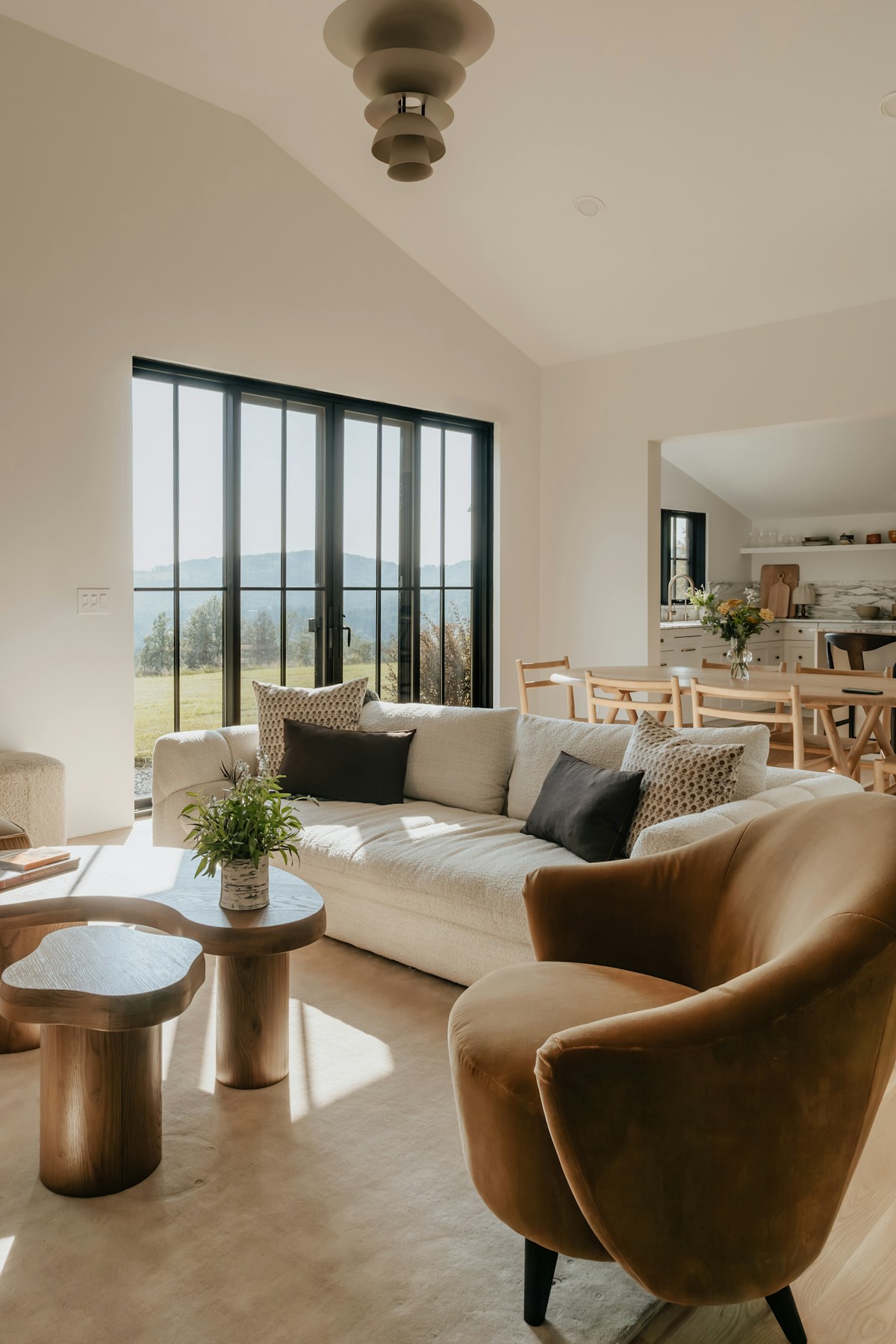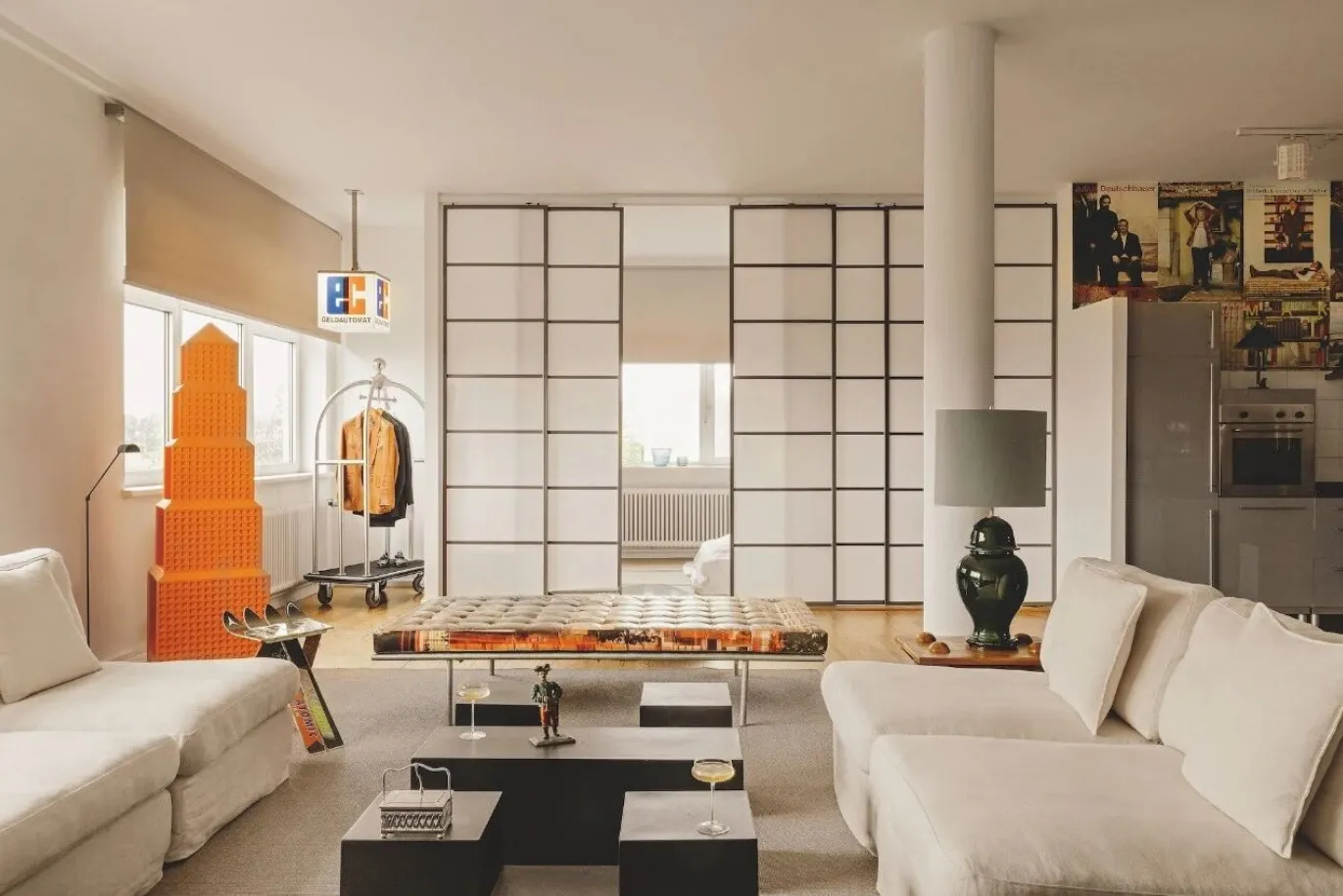
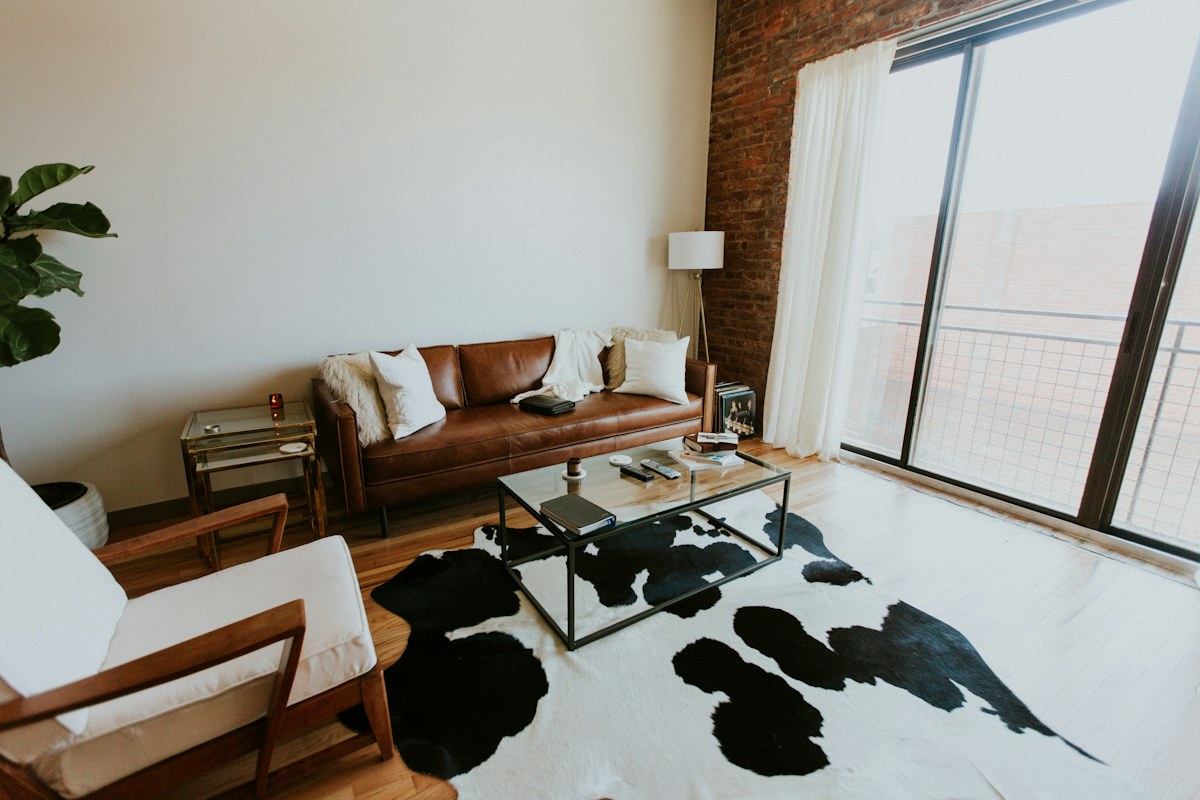
An inherited sideboard, a practical new sofa, and a chair found secondhand do not need to resemble one another to work in the same room. In fact, a room assembled over time often has more character than one ordered from a single collection. The difficulty is deciding which differences are interesting and which make the space feel unsettled. Start by looking for relationships rather than matches. Two pieces may share a curved outline, a warm undertone, or a quiet texture even when they were made decades apart. The goal is a room that feels considered without erasing the history of its contents. You can get there through arrangement and editing before reaching for paint, new upholstery, or another shopping list.
Choose the piece that sets the direction
Identify one substantial item you want to keep and enjoy. It might be a walnut cabinet, a generous linen sofa, or a colorful armchair. Describe it in plain terms: light or heavy, rounded or angular, polished or textured, formal or relaxed. Those qualities give you a starting point for the rest of the room. A heavy dark cabinet can be balanced by lighter seating, while a delicate chair may need an uncluttered background to avoid disappearing. Do not ask every piece to become the main attraction. If everything has a strong pattern, an unusual shape, and a contrasting finish, the eye has nowhere to rest. Choosing an anchor does not require a strict historical style. It simply gives your next decisions a reference point and makes it easier to decline a purchase that has no useful role.
Compare scale before comparing color
Furniture can share a finish and still feel wrong together because of proportion. A low, deep sofa beside a tall narrow occasional table may be inconvenient even if both are oak. Place pieces together and check their heights from a seated position. Look at the thickness of arms and legs, the visual weight of cabinet fronts, and how much floor each item reveals. A bulky sofa may work with a slim-legged table that gives the room some air. Conversely, a row of very delicate pieces can feel insubstantial against a large wall. Sketch the composition or take a straightforward photograph rather than relying on memory. Where something feels awkward, try moving it before replacing it. A cabinet that overwhelms a small alcove might look comfortable on a broader wall.
Repeat one detail quietly
Repetition makes differences feel deliberate. Choose one or two details to recur across the room: a muted green, a dark metal finish, a curved silhouette, or a particular kind of woven texture. The repetition should appear in different forms. A green cushion can connect to a print and a small ceramic bowl without turning every object green. A black picture frame can echo the legs of a newer table while leaving an older wooden cabinet untouched. Avoid trying to match every metal, wood, and textile exactly. That creates a different kind of visual pressure and can make small variations seem like mistakes. A few modest connections are usually enough. Step back from the room's entrance and check whether your repeated details guide the eye gently rather than making a pattern you notice before anything else.
Read the undertones of wood
Different woods can sit together comfortably, especially when their tones are related. Look beyond the label on a finish. One oak surface may look honey colored, another pale and slightly gray. A reddish cabinet may sit more naturally beside a warm floor than beside a strongly gray stained table. Compare samples in the room's daylight and evening light, because both can change how the colors appear. If two finishes nearly match but feel uncomfortable together, separate them with a rug, textile, or painted surface instead of trying to disguise the difference. Keep valuable or historic pieces intact unless you understand the consequences of refinishing. A reversible change in placement is often wiser than sanding a family object to make it resemble a recent purchase. Patina can be part of the room's appeal.
Use textiles to bridge the gap
Textiles can connect pieces that otherwise seem unrelated. A plain woven throw can soften a glossy modern sofa; a restrained patterned cushion can pick up the color of an older chair. Choose fabrics for how the room is used, including cleaning requirements, sunlight, children, and pets. Too many small cushions may conceal the furniture while making it less comfortable, so test the room as you sit in it. A rug can bring the seating group together through color and texture, but do not rely on it to rescue poorly proportioned furniture. Check that its edges lie safely and that it suits the floor and traffic. When testing a new combination, borrow a blanket or cushion from another room first. Seeing a color in place tells you more than collecting dozens of small online swatches.
Give each distinctive piece some breathing room
An unusual chair loses its impact when it is surrounded by equally busy objects. Allow some plain surfaces and open space around furniture with strong shapes or decoration. This does not mean stripping the room bare. It means choosing where detail will gather and where it will pause. You might keep a carved cabinet's top mostly clear and place the more colorful objects on a simpler shelf nearby. Hang one substantial artwork rather than crowding a narrow wall with unrelated frames. If you own many objects you love, rotate a small selection instead of displaying all of them at once. The pieces in storage remain yours, and the ones on view become easier to appreciate. Editing a room is a way to see it clearly, not a judgment on the value of your belongings.
Check comfort and condition before appearance
Secondhand furniture needs a practical inspection. Check stability, loose joints, sharp edges, upholstery condition, and signs of pests before bringing it into the home. Follow suitable cleaning advice for the material, and avoid mixing cleaning products. A beautiful lamp with questionable wiring should be checked by a qualified professional. Heavy cabinets may need anchoring according to their construction and the wall type. When buying seating, sit in it if possible and consider whether its height works for the people who will use it. Repairs can be worthwhile, but include their likely cost and difficulty in your decision. A bargain becomes expensive when it requires work you cannot safely complete. Character and everyday usability should support each other; a chair nobody can comfortably sit in has a limited role in a living room.
Finish with a room you can keep changing
Arrange the room, use it for several days, and resist filling every apparent gap immediately. Notice which combinations you keep enjoying and which feel forced. Sometimes removing a small table resolves more than adding a coordinating accessory. Keep a short list of genuine needs with measurements, rather than a list of decorative categories to complete. That leaves room for a future find that contributes something useful. Photograph the room when it feels balanced so you have a reference when considering another object. There is no requirement to achieve a final, perfectly matched state. A room assembled from different periods can remain coherent while evolving with your household. The strongest connection between its pieces is often that they have each earned a place in the way you live.