A bathroom can feel tired even when its main fittings are working well. Bottles crowd the basin, towels never seem to dry in a convenient place, and a collection of unrelated containers makes the room look busier than it is. Before considering a renovation, separate cosmetic frustrations from maintenance problems. Leaks, persistent damp, damaged electrical equipment, and failing ventilation need appropriate professional attention. Styling should never cover them up. If the room is sound, a quieter and more practical arrangement may be enough to change how it feels. Work with the existing layout, remove what is no longer used, and choose a few changes that make daily routines easier. This kind of refresh can be modest in cost while still feeling substantial every morning.
Empty one area at a time
Start with the basin area rather than emptying every cupboard onto the floor. Sort products into current use, occasional use, and items that need to leave. Check expiry dates and disposal instructions, particularly for medicines and specialist products. Do not combine leftovers in unlabelled bottles. Wipe the storage area using methods suitable for its surfaces, following cleaner instructions and avoiding mixed chemicals. Return daily essentials first and see how much space they require. If several household members share the basin, give each person's essentials an obvious place. The purpose is to make the routine clear, not to make everyone use an identical set of products. Small sorting sessions are easier to finish, and a completed basin area provides a useful model for the cupboards, shower storage, and towels that follow.
Keep the basin ready for use
A basin ledge works hard and gets wet often. Reduce the number of objects that sit directly on it so wiping and drying are straightforward. A simple washable tray can group a few items, provided it does not trap water or block access to taps. Check underneath it regularly. Choose containers that can tolerate the environment and can be cleaned without elaborate care. Keep electrical products at safe distances and use them only as instructed; bathroom electrical requirements are specific, so consult a qualified professional if unsure. Avoid using decorative storage to disguise damaged surfaces. A clear basin does not need to be completely bare. It needs room for a person to wash comfortably and enough access for the surface to be cleaned before residue becomes an established part of the room.
Treat towels as working textiles
Count the towels in regular use and decide where each will hang after washing. A folded stack looks attractive, but the more important question is whether used towels can dry appropriately between uses. Avoid crowding several damp towels onto a small hook. Follow care labels and wash according to household needs. Choose colors that work with the existing room rather than replacing every towel for the sake of a matching set. Similar tones can look coherent even when the pieces differ. If storage is tight, keep only current-use and practical spare quantities in the bathroom and place less frequent items elsewhere. Do not use soft furnishings to absorb ongoing moisture problems. If the room remains persistently damp despite normal use and appropriate ventilation, investigate the cause rather than adding more absorbent textiles.
Make shower storage easy to clean
Review what lives in the shower or bath area. Several nearly empty bottles can occupy more room than the products currently being used. Keep the active selection manageable and store spares in a dry, suitable place. Choose storage designed for the setting and follow installation instructions, especially for hanging or adhesive products. Do not place an overloaded caddy where it could fall or interfere with controls. Check that water can drain and that surfaces underneath remain accessible for cleaning. Retain labels that identify contents and instructions. Matching dispensers are optional, and they should not introduce confusion between products. A practical shower arrangement allows everyone to reach what they need without balancing bottles on unsuitable ledges. It also makes it possible to clean the area without dismantling a dense arrangement of hooks and containers.
Use the existing finishes as your palette
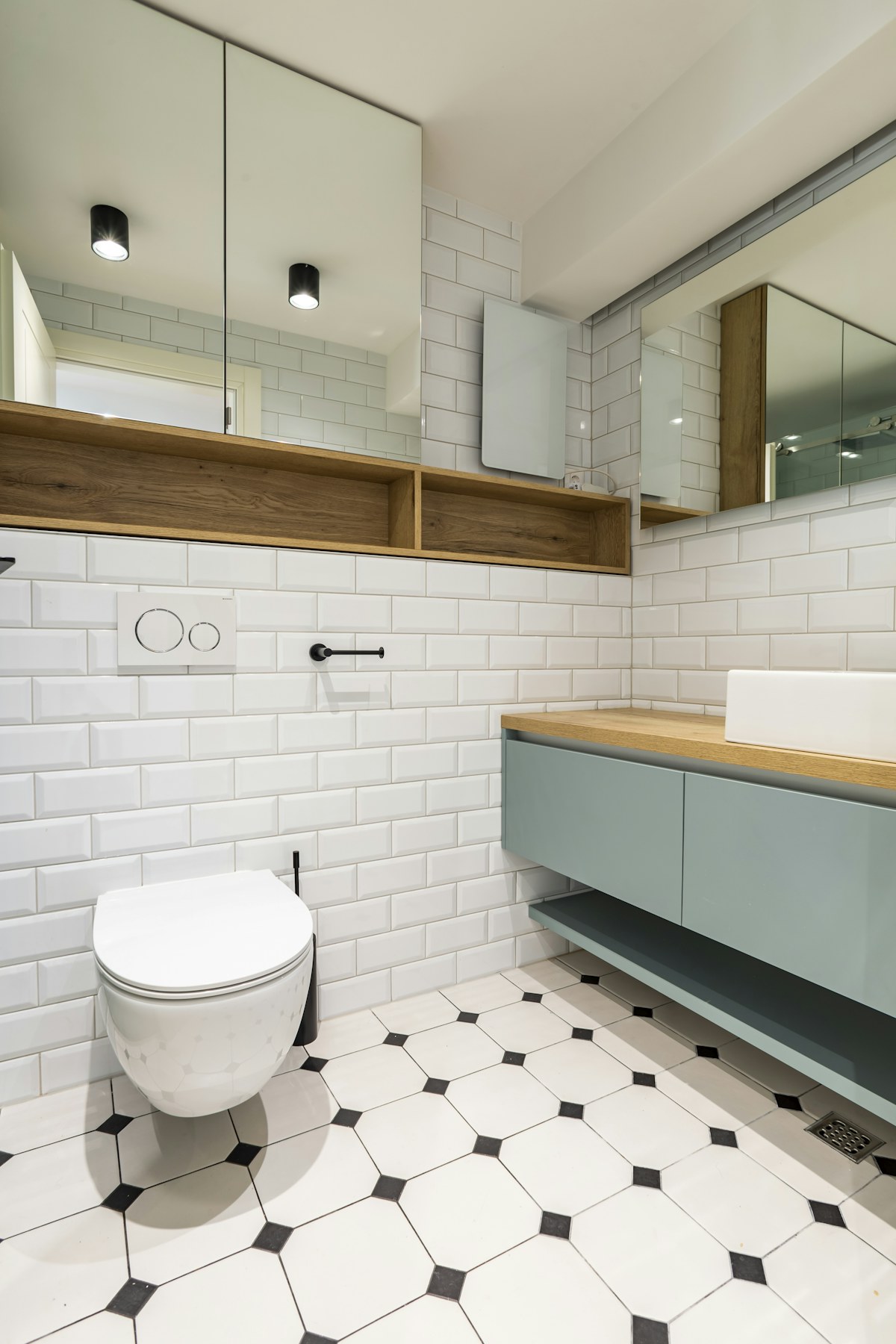
If the tiles, floor, and fittings are staying, choose accessories in relation to them. A warm cream tile may feel more settled with warm white textiles than with a sharply blue white. A patterned floor may need simpler towels and containers. Take a photograph in daylight and look for the colors that already dominate. Add one restrained accent if you want variation. Avoid buying several small decorative objects to distract from a finish you dislike; the result can make the room feel more crowded. A coordinated soap dish, a useful bin, and well chosen towels may be enough. Test samples in the room when possible. Bathrooms can have unusual lighting, and a color that looked gentle in a shop may appear harsh beside the existing tile or mirror.
Improve the storage you already have
Measure cupboard interiors before buying inserts. Check the space around pipes and leave access for maintenance. A shallow removable tray can help contain small items, while a tall bottle may simply need a clear shelf rather than a stack of compartments. Store heavy products low and keep cleaning supplies and medicines safely secured where needed. Do not assume the bathroom is a suitable place for every household product; follow storage guidance on labels, especially where humidity and temperature matter. Group spares separately from daily use so a full cupboard does not disguise an empty everyday bottle. If a drawer keeps becoming disordered, reduce its contents before adding dividers. Organization works when the available space matches the number and type of items, rather than when every gap is filled with another container.
Check light, mirrors, and small frustrations
Notice the bathroom at the times it is most used. Is the mirror easy to use? Does a cupboard door block the only light? Are hooks positioned where people can reach them without stretching across a wet floor? Small changes in accessory placement can help, but electrical work and fixed alterations should be handled appropriately by qualified professionals. Choose mirrors and fittings suitable for the location and install them according to guidance. Avoid loose rugs that slide, curl, or interfere with doors; use suitable products and keep them clean and dry. A refresh should reduce friction in ordinary tasks. If an attractive addition creates a harder-to-clean corner or a new obstruction, it is not improving the room. Practical inspection often reveals a better priority than adding another decorative feature.
Finish with a simple maintenance rhythm
Once the arrangement feels useful, decide how it will stay that way. A brief regular check of the basin, towels, and product storage can prevent the room from drifting back into clutter. Keep cleaning equipment appropriately stored and use products according to their instructions. Replace worn accessories because they no longer function, not simply because a trend changes. If one area repeatedly becomes crowded, ask whether its storage is too far away or its contents have grown beyond the available space. The room should be able to recover after a busy morning without a major restyling exercise. A successful bathroom refresh respects the existing structure, addresses actual faults honestly, and makes the everyday details feel easier. That is often enough to make a familiar room feel newly cared for.