In decoration, wooden doors may not necessarily be the project with the highest budget proportion, nor are they often the main materials that receive the most attention. It is usually included in the selection list along with woodwork, and cabinets are more likely to attract attention, so wooden doors are easily overlooked. But wooden doors need to be used and opened every day, which directly affects the living experience, sound insulation effect, and overall sense of space. Understanding the classification, characteristics, and applicable scenarios of different wooden doors before purchasing can help make a more suitable choice.
Solid wood doors are usually made of natural wood panels, with the door core and surface mostly made of the same type of wood. If the wood and coating meet environmental standards, it is closer to natural materials, and the texture and heaviness are usually better. Under the premise of solid structure and good sealing, the sound insulation performance is often good, and the durability is good under normal use and maintenance. However, solid wood doors are usually more expensive, and improper control of wood moisture content may cause cracking or deformation. They are also heavier and require higher load-bearing capacity for hinges. It is more suitable for families with sufficient budget, preference for natural texture, and Chinese, European and other decoration styles.
Solid wood composite doors are a common type in the market. The door core is mostly made of low-density wood such as pine and fir as the frame, filled with honeycomb paper, density board grid or some solid wood strips inside, and covered with solid wood veneer on the surface, or using density board with imitation wood grain PVC film. Its overall performance is relatively balanced, with high cost-effectiveness, good stability, sound insulation effect similar to solid wood doors, and more diverse styles. It should be noted that these types of doors are more sensitive to humid environments; If PVC film is used on the surface, the texture is usually not as good as solid wood veneer; Low priced products may also have differences in environmental friendliness. Solid wood laminated doors and unpainted doors are common in solid wood composite doors. The surface of the solid wood veneer door is coated with solid wood veneer and then painted, which has a good texture and can be used in various colors; The surface of the paint free door is covered with PVC film, and the color and texture are printed. The price is relatively low and the installation is fast. Overall, solid wood composite doors are suitable for most households, with a relatively balanced price, appearance, and performance. After moving in, pay attention to protection and cleaning.
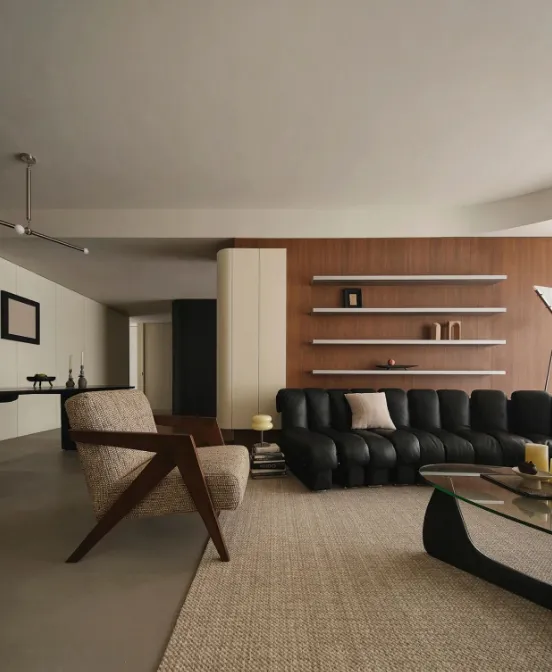
The molded door is made by mechanically pressing two shaped density boards, and the interior is usually hollow or filled with simple honeycomb boards. It has a lower price, relatively usable moisture resistance, and a lighter weight. However, the sound insulation effect of molded doors is usually limited, with a light touch and limited overall texture and weightiness. Environmental performance also needs to be considered, as the amount of glue used may affect indoor air quality. This type of door is commonly found in tooling projects or temporary residential areas, with significant differences in product quality. When purchasing, attention should be paid to specific processes and testing information.
The concept of ecological doors is relatively new, often using aluminum, metal, and other materials as frames. The door core is filled with environmentally friendly materials, such as bridge opening mechanical boards, and the surface is made of artificial boards or technological materials. Some products emphasize environmentally friendly materials, with modern and simple shapes, and may also have some moisture resistance, but flame retardancy and other properties need to be subject to specific materials and testing reports. Its limitations lie in its narrow range of style applicability, mostly suitable for modern and minimalist styles, usually high prices, and incomplete market recognition. For families pursuing environmental protection and modern minimalist style, it can be included in the comparison.
When choosing wooden doors, it is necessary to consider the spatial function, decoration style, budget, and quality of details comprehensively. Bedrooms or study rooms usually pay more attention to sound insulation and privacy, and solid wood doors with good sound insulation performance or solid wood composite doors can be considered. The thickness of the door panel can refer to 4.5 centimeters or more, and the smaller the door gap, the more favorable it is for sound insulation. Toilets usually pay more attention to moisture and waterproofing. Aluminum alloy glass doors can be chosen, and solid wood composite doors or molded doors that have undergone moisture resistance treatment can also be selected among wooden doors. Leave enough gaps or open ventilation holes at the bottom edge of the door, and consider adding some glass to increase transparency. Kitchen doors pay more attention to oil resistance and transparency, and styles with glass are more common, such as titanium magnesium alloy doors and solid wood composite glass doors, which can isolate oil fumes without affecting lighting and facilitate communication between spaces.
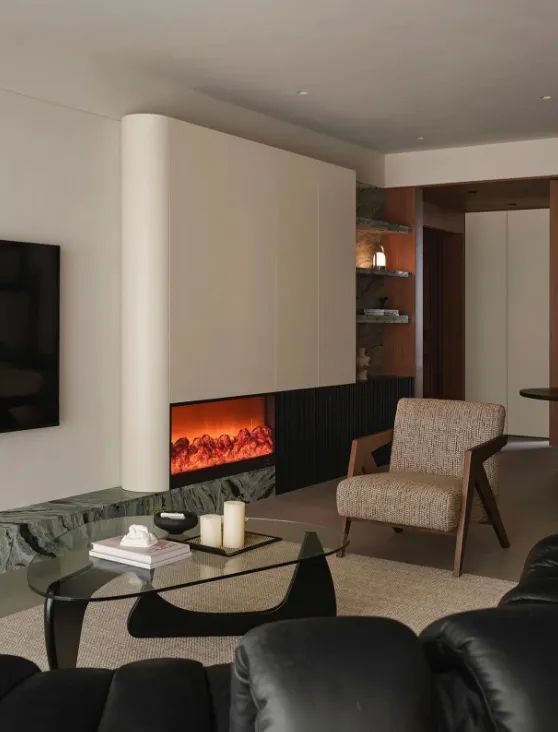
In terms of style matching, modern and minimalist styles are suitable for doors with simple shapes, flat surfaces without carvings or only simple lines. Colors can be selected from white, gray, and natural wood, and both ecological doors and flat solid wood composite doors can be considered. Nordic style can be combined with natural wood elements, choosing solid wood composite doors or solid wood doors with light wood grain. Chinese and New Chinese styles are suitable for dark solid wood doors with wooden textures, as well as traditional window panels, carvings, and other elements. European and American styles are suitable for solid wood doors or solid wood composite doors with complex shapes, lines, and clasps, often in white or dark brown colors.
Hardware accessories cannot be ignored either. The hinges directly affect the service life and experience of the door. A common practice is to use three hinges per door, but it also needs to be judged based on the door weight and installation requirements. In terms of material, 304 stainless steel is a common option, but the specific thickness and load-bearing parameters still need to be considered. The door lock can choose a silent magnetic lock, which has a quieter opening and closing sound and is less likely to collide with the door frame. The handle shape can be selected according to the overall style. In terms of door suction, floor suction and wall suction have their own applicable scenarios, which can be selected based on wall materials, floor conditions, and usage habits.
Overall, when choosing wooden doors, it is not necessary to blindly pursue high prices, but rather to choose suitable products based on decoration style, budget, and actual needs. When making a purchase, pay attention to brand reputation, warranty, and after-sales terms, and check relevant environmental testing information. Wooden doors, like cabinets, are customized products that need to be leveled on the walls and floors before accurate measurement can be carried out to avoid errors and unnecessary losses. This article is only for general purchasing information. Please refer to the product testing report, merchant instructions, and actual measurements for specific details.